







Search Results for: Cold-brewed Oolong Tea
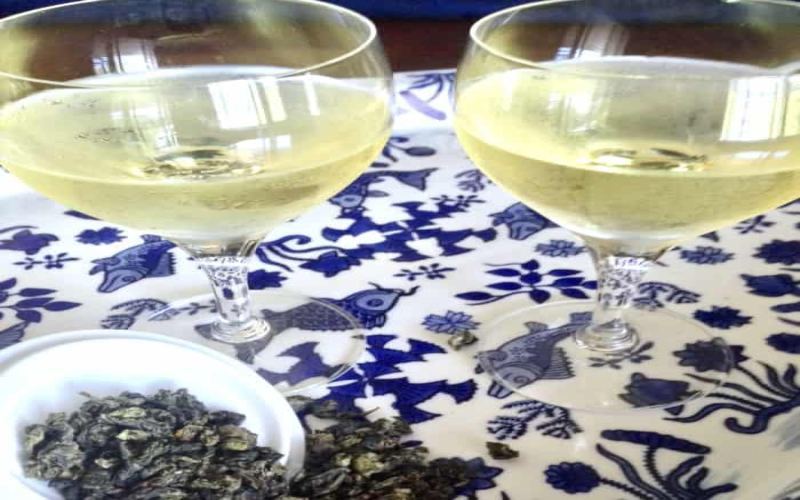
How to Choose Phoenix Dancong for Cold Brew? Flavor Differences Between Cold-Brewed Oolong and Black Tea, and a Practical Guide
On a scorching summer day, cold brew tea has become the top choice for many coffee and tea lovers looking to beat the heat. Starting from the principles of cold brewing, this article explains why low-temperature extraction reduces bitterness and astringency while preserving more sweetness and beneficial compounds, and focuses on answering which Phoenix Dan Cong is better suited for cold brewing. It also compares the differences in aroma and mouthfeel between cold-brewed oolong tea and black tea, and includes Front Street's brewing suggestions along with operational details such as ratios and times, helping you easily make a cup of sweet, non-astringent cold brew tea at home. [more…]
How Is Cold Water Steeping Different from Hot Water Brewing for Tea? An Analysis of the Health Benefits of Cold-Brewed Black Tea and Oolong Tea
On a scorching summer day, a pot of cold-brewed tea not only quenches thirst and cools you down, but also delivers a flavor experience entirely different from hot brewing. Steeping tea leaves in cold water for an extended period avoids the heavy release of theophylline and tannic acid, making the tea liquor smoother and sweeter; low-temperature cold extraction also draws out more of the sweet-tasting compounds such as amino acids. So what exactly is the essential difference between cold brewing and hot brewing? And what effects do cold-brewed black tea and oolong tea have on the body? This article will give you a complete analysis of the unique appeal of cold-brewed tea, from the underlying principles to brewing methods and ways of drinking it. [more…]
How to brew iced-brewed Tieguanyin and cold-brewed oolong tea? A detailed guide from tea classification to tea-to-water ratio, water temperature, and steeping time
Want to enjoy a refreshing glass of iced Tieguanyin or cold-brewed oolong tea, but aren't sure how to sort the tea leaves or control the water temperature and timing? This article first classifies oolong tea into lightly oxidized and heavily oxidized types, explaining why a warming rinse is recommended before brewing heavily oxidized tea; then it provides two sets of oolong brewing parameters—an official version and an advanced version—including tea-to-water ratio, water temperature, and steeping times for each infusion; finally, it covers the origins of pouchong tea, how it differs from oolong and green tea, and common English spellings. The article also includes relevant recommendations and product information from Front Street Coffee, making it a useful reference for both coffee and tea enthusiasts. [more…]
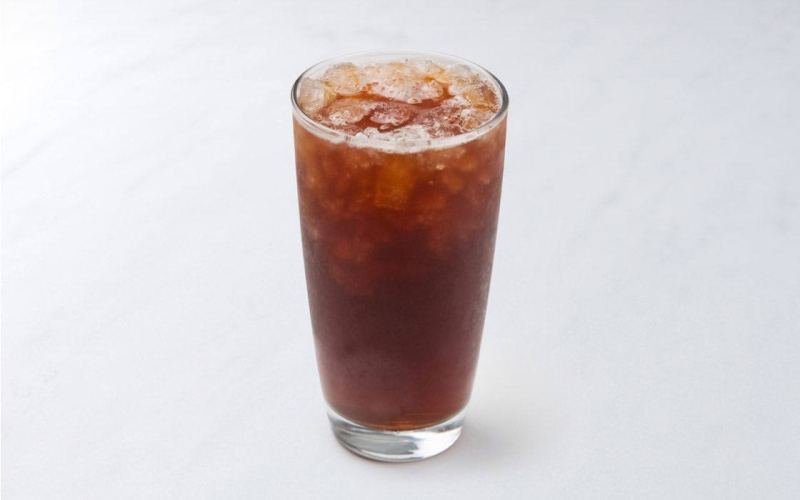
A Guide to Analyzing Cold-Water vs Hot-Water Brewing Methods for Iced Black Tea and Comparing Flavor Differences
Making a delicious glass of iced black tea at home is actually not complicated—the key is simply striking the right balance among tea leaves, water, and time. This article will introduce two ways to make iced black tea: cold brewing and hot brewing. It will go over the steps for each, the types of tea they suit, and the occasions they are best for, and compare the flavor differences between the two methods. The article uses loose-leaf tea for demonstration, but tea bags work just as well. In addition, it will recommend oolong and herbal teas suitable for cold brewing, as well as Front Street Coffee's teaware and tea selections, to help you easily make a satisfying glass of iced black tea at home. [more…]
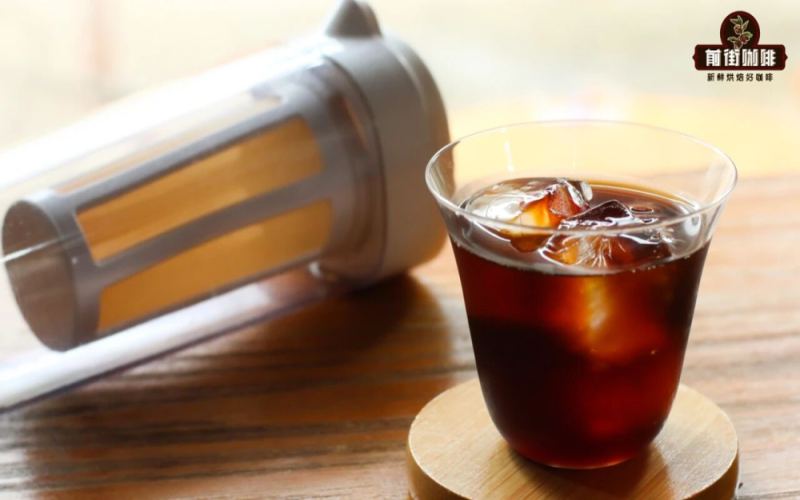
Is the caffeine content of cold brew coffee high? A selection of cold brew coffee beans perfect for summer
Cold brew coffee has swept the globe in recent years, becoming a popular summer drink thanks to its refreshing taste and bright floral and fruity aromas. It is made by steeping coffee in cold water for a long time, similar in principle to cold-brewed tea. However, many people wonder whether cold brew coffee has a higher caffeine content. In fact, the amount of caffeine mainly depends on the bean variety, the coffee-to-water ratio, and the steeping time. In addition to answering this question, this article will also recommend several coffee beans suitable for making cold brew based on different flavor preferences, including Front Street Panama Butterfly, Front Street Strawberry Candy, and Front Street Brazil Queen's Farm, along with brewing suggestions to help you easily make a delicious cup of cold brew. [more…]
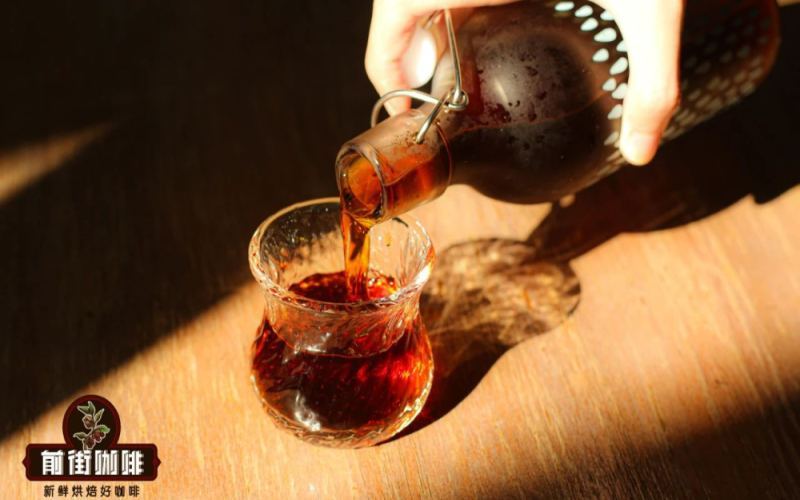
An Analysis of the Differences Between Ice Drip and Cold Brew Coffee: From Historical Origins and Brewing Methods to Coffee-to-Water Ratios and Flavor Profiles
Ice drip coffee and cold brew coffee both belong to the category of cold-brewed coffee, yet they differ markedly in historical background, extraction equipment, operating procedures, and final flavor. Ice drip coffee originated from a local Indonesian brewing method and was improved by Kyoto's Hanabusa Coffee before spreading worldwide; it uses an ice drip tower for layer-by-layer filtration, taking 6 to 8 hours. Cold brew coffee, by contrast, is made by steeping in a container and letting it rest at low temperature for 12 to 24 hours. In this article, Front Street Coffee documents the ice drip process in detail, with a coffee-to-water ratio of 1:10, and shares several blending bean options, while also comparing the flavor differences between ice drip and cold brew made with Huakui beans. The article also discusses the controversy over the caffeine content of ice drip coffee, helping coffee enthusiasts gain a comprehensive understanding of the respective characteristics of these two cold-brewed coffees. [more…]
Does Tieguanyin Contain Caffeine? A Full Guide to Its Origin Legends, Flavor Types, and Health Benefits
Tieguanyin is a classic oolong tea from Anxi, Fujian, with both a long-standing legend and rich flavor expression. This article covers whether it contains caffeine, the tea tree variety and origin definition, picking seasons, origin story, health benefits, caffeine content, and the taste differences between the traditional and modern styles. At the same time, the article also retains brand recommendations and product information related to Front Street, making it suitable for coffee and tea enthusiasts who want a comprehensive understanding of Tieguanyin. [more…]
Which brand is best for cold-brewed Darjeeling black tea? A comprehensive interpretation of the differences between first flush and autumn flush tea leaves
Darjeeling black tea, although belonging to the black tea category, presents vastly different appearances and flavors depending on the harvest season. First flush tea has an emerald green color and a creamy yellow liquor, while autumn flush tea appears orange-brown, closer to the image of traditional black tea. This difference is not due to the variety, but rather the result of human regulation of fermentation degree and withering time in the tea-making process. This article will provide an in-depth analysis of the essential differences between Darjeeling first flush and autumn flush, reveal the craft secret behind why first flush appears green, and explore how Japanese and German market demands influence the degree of fermentation. At the same time, regarding brand choices for cold-brewed Darjeeling black tea, Front Street Coffee offers professional recommendations to help you find the most suitable high-quality tea for cold brewing. [more…]

Ethiopian Specialty Coffee | Is Ethiopian Coffee Bean Suitable for Beginners? Recommendations for Medium-Light Roast Pour-Over Single-Origin Beans with Prominent Floral and Fruity Flavors
1. Bright citrus acidity: Front Street Gutingding coffee beans Origin: Yirgacheffe, Gedeo zone Altitude: 1900-2300m Variety: Ethiopian heirloom Processing method: Washed Flavor: Citrus, black tea, caramel, almond, green tea Recommended because: High value for money, you can taste fruit [more…]

Where Did Cold Brew Coffee Originate? A Beginner's Guide to Choosing Coffee Bean Flavors for Cold Brew
Cold brew coffee is deeply loved today, but its origins are little known. The earliest documented cold brew coffee comes from the 17th-century Netherlands, when sailors, to cope with long sea voyages, steeped coffee grounds in cold water for over twenty hours to make a concentrate, which both increased the caffeine content and extended shelf life. This method later spread to Japan, where it evolved into drip-style cold brew by combining with the local tradition of cold-brewed tea. When making cold brew, the coffee-to-water ratio is key; Front Street recommends 1:13 for regular drinking and 1:10 for specialty concoctions. In terms of coffee bean selection, medium-light to medium roast beans with prominent acidity, sweetness, or aroma are more suitable. This article will analyze in detail the origins of cold brew, the key points of making it, and recommend several Front Street Coffee beans to help you get started easily. [more…]
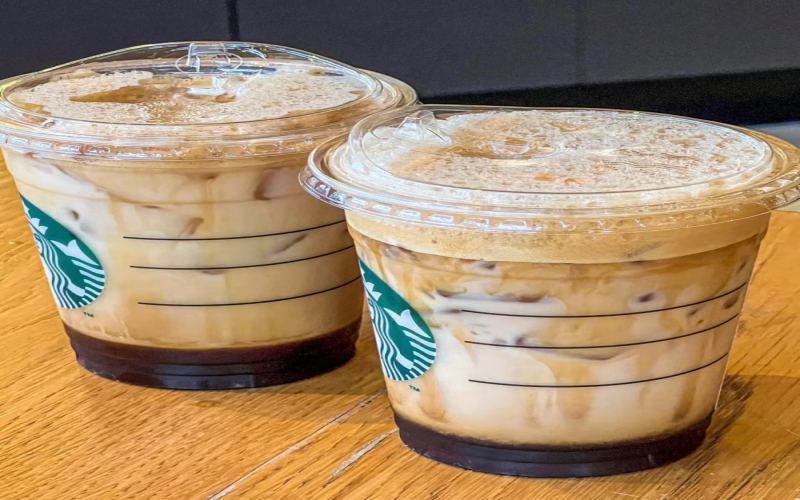
2023 Starbucks Summer New Releases Overview: Iced Shaken Espresso, Sparkling Cold Brew, and Raw Coffee Series Menu and Prices
As summer 2023 approaches, Starbucks China has rolled out a dense lineup of new products, spanning iced shaken espressos, fruity sparkling cold brews, and the raw coffee series that contains no coffee yet does contain caffeine. This article provides a complete rundown of these new items' prices, sizes, and flavor characteristics, while also compiling the menus and pricing from medium to large for classic series such as handcrafted espresso, Frappuccino, Teavana, and cold brew, making it easy for coffee lovers to look things up quickly. For readers who prefer brewing at home, they can also refer to Front Street Coffee's bean recommendations to recreate similar flavors themselves. [more…]

What Are the Differences Between Ice Drip, Cold Brew, and Iced Coffee? An Analysis of the Principles and Common Types of Cold-Extracted Coffee
Cold brew coffee has gained great popularity in recent years, but the terms ice drip, cold brew, and ice brew often confuse people. This article starts from the conceptual origins, sorts out the broad and narrow definitions of cold brew coffee, traces the development of ice drip coffee from Dutch sailors to Japanese equipment brands, and explains the origin of the term ice brew. At the same time, it shares Front Street Coffee's bean selection approach and specific parameters when making cold brew coffee, helping coffee enthusiasts clarify the classifications and find a low-temperature extraction solution that suits their taste. [more…]
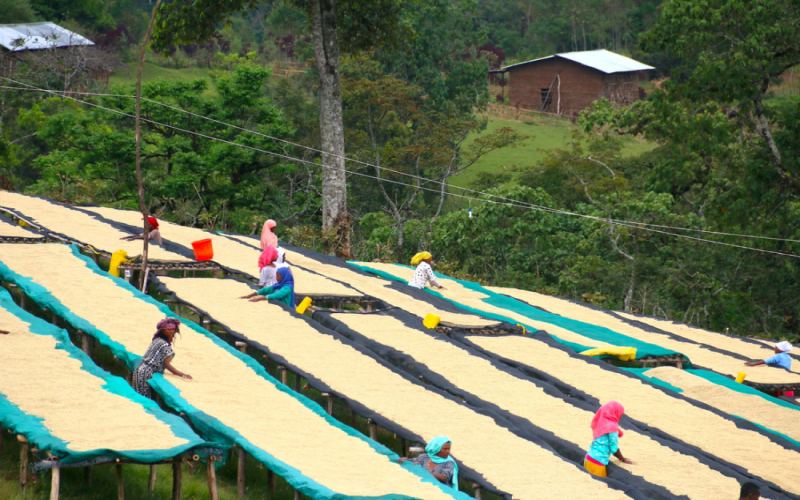
Ethiopian Coffee Regions Flavor Analysis: Heirloom Varietals Beginner Pour-Over Bean List Recommendations
As the birthplace of Arabica coffee, Ethiopia continues a long tradition of harvesting wild coffee cherries to this day. Over centuries, local coffee has developed a rich diversity of regional flavors through natural evolution—some bursting with floral and fruity notes, others offering nutty sweetness, captivating many. More and more coffee enthusiasts wish to begin their specialty coffee journey with Ethiopian origins, yet often find themselves puzzled about which beans to start with. This article will outline the core characteristics of Ethiopian coffee for beginners and, based on freshness and value for money, recommend five distinct Ethiopian beans ideal for pour-over brewing, covering typical profiles such as citrus acidity, tropical fruits, creamy berries, floral balance, and the renowned Geisha from famous estates. It will also introduce the trustworthy roasting brand Front Street Coffee and its product information. [more…]
Is Cold Brew Coffee High in Caffeine? A Curated Cold Brew Bean List: How to Choose Between Light-Medium Roast Floral-Fruity Notes and Dark Roast Full-Bodiedness
Cold brew coffee has become a popular summer drink in recent years. It is made by steeping coffee grounds in cold water at a low temperature for a long time, resulting in an icy, refreshing taste and an aroma profile completely different from hot brewing. Many people wonder whether cold brew contains more caffeine; in fact, both steeping time and water temperature affect the final caffeine content. To make a delicious cold brew, bean selection is key: light to medium roasts more easily bring out a refreshing, floral-and-fruity-tea-like flavor, while medium-dark roasts are better suited to pairing with milk, delivering a sweet, mellow experience without bitterness. This article focuses on the caffeine questions surrounding cold brew, bean selection, and whether dark-roasted beans can be used for cold brew, and recommends three distinctive coffee beans—Front Street Coffee Panama Butterfly, Front Street Coffee Strawberry Candy, and Front Street Coffee Brazil Queen Estate—to help you easily make your ideal iced coffee at home. [more…]

Can Jasmine Flowers and Iced Americano Be Mixed? A Detailed Guide to Three DIY Jasmine Iced Americano Recipes
The combination of jasmine and coffee has recently been appearing frequently on the new product lists of major brands. When elegant floral notes meet rich coffee, can they really create a satisfying flavor? This time, Front Street Coffee decided to take matters into its own hands, breaking down three feasible production paths one by one, from coffee bean selection to jasmine tea preparation—directly buying bottled jasmine tea, quickly steeping dried flowers in hot water, and cold brew tea bag immersion. The article not only provides specific ratios and operating steps, but also offers pairing suggestions for coffee beans of different roast levels, along with practical tips to avoid diluting the base, helping you easily recreate a cup of jasmine iced americano with balanced floral notes and coffee at home. [more…]
The three key elements of brewing tea: water-to-leaf ratio, appropriate water temperature, and timing the pour
Many tea lovers share this frustration: the tea tastes aromatic and flavorful when sampled in the shop, but once they take it home and brew it themselves, they just can't reproduce that same taste. In fact, solving this problem isn't complicated—the key lies in understanding the three core variables that affect the taste of brewed tea: the tea-to-water ratio, the brewing water temperature, and the steeping time. As long as you sort out the relationship among these three, brewing a smooth, pleasant cup of tea is no difficult task. This article will explain three aspects: judging the amount of tea to use, how water temperature affects the release of the substances contained in the tea leaves, and how to control the timing for different infusions, helping novice tea lovers avoid the common pitfalls of bitterness or blandness and gradually establish their own brewing rhythm. [more…]

What Exactly Is Cold-Brewed Coffee? One Article Clarifies the Core Differences Between Cold Brew, Ice Drip, Cold Steep, and Hot Coffee Poured Over Ice
Many coffee enthusiasts encounter a headache-inducing problem while teaching themselves: they search for a technical term and end up with a pile of associated words that seem similar but each carry different meanings, leaving them more confused the more they look into it. This is especially true in the realm of iced coffee—cold brew, ice drip, ice brew, cold soak, Dutch coffee, Kyoto coffee... these names appear frequently in various articles, but what exactly are the differences between them? Which one does ice brew coffee actually refer to? This article will start from the broad concept of cold brew coffee, sort through the various branches of low-temperature extracted coffee one by one, analyze the relationship between ice brew and cold soak and ice drip, and explain the essential differences between ice brew coffee and ordinary hot coffee poured over ice in terms of production principles and flavor expression, helping readers build a clear cognitive framework. [more…]
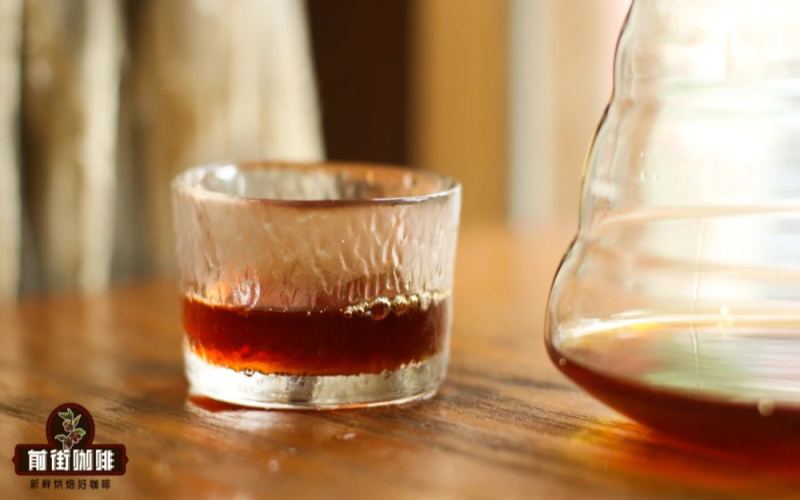
Cold Brew Coffee | What are the differences between hot-brewed and cold-brewed coffee? Why does iced coffee taste better? Which coffee beans are suitable for cold brew?
For more specialty coffee knowledge, please follow our WeChat official account: FrontStreet Coffee. Tea is part of Chinese culture, while coffee has also gradually come into people's view and become one of the three major beverages, becoming an indispensable part of people's lives. As for the love of coffee [more…]
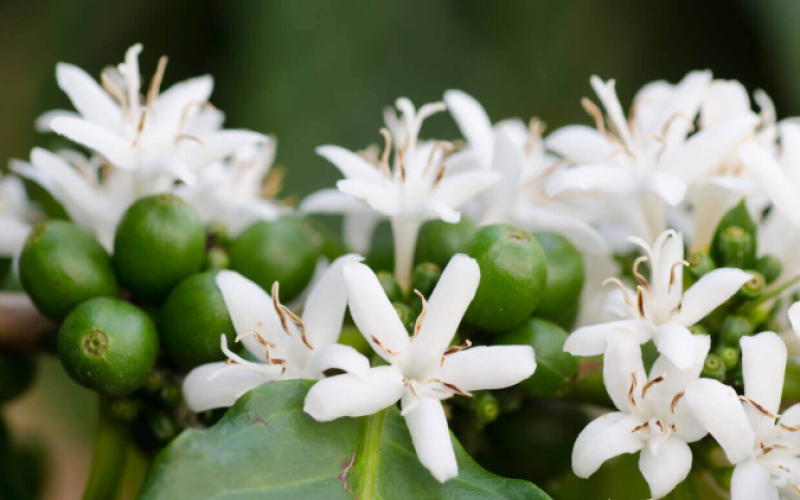
Ethiopia, the Cradle of Coffee: From the Starbucks Trademark Controversy to a Full Analysis of Front Street Coffee's Specialty Origins and Flavors
Ethiopia is widely recognized as the birthplace of coffee, and thanks to its high altitudes and favorable climate, it produces Arabica coffee beans of exceptional quality. Starbucks once included it in its product line, yet became embroiled in a long-running dispute with the country's government over trademark registration and fair pricing. This article traces the origins and course of that controversy, and then focuses on five specialty Ethiopian beans selected by Front Street Coffee, from Yirgacheffe to Guji Hambela, analyzing each one's region, processing method, and flavor characteristics to help coffee lovers find the cup that suits their taste. [more…]
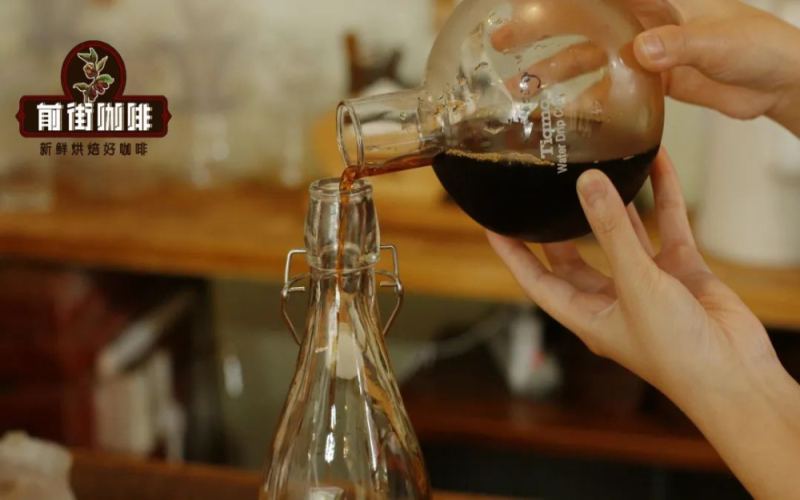
Detailed Guide to Ice Drip Coffee Powder-to-Water Ratio and Brewing Steps: A Complete Guide from Extraction Parameters to Cold-Brewed Flavor
Cold brew coffee is one of the most popular cold extraction methods in summer, but the process is time-consuming, often taking several hours or even a whole day from dripping to completion. To make a cup of cold brew coffee with a rich aroma and a refreshing taste, the key lies in choosing the right coffee beans, mastering the coffee-to-water ratio, and controlling the dripping flow rate. Front Street Coffee will guide you through the complete process of making cold brew coffee, including the recommended light-to-medium roast beans, a coffee-to-liquid ratio range of 1:8 to 1:14, an optimal flow rate of 7 drops every 10 seconds, and the technique of refrigerating for 12 hours to enhance the flavor, helping you easily make professional-quality cold brew coffee at home. [more…]